- Allen-Bradley
- BANNIERE
- Baumer
- Bosch Rexroth
- Danfoss
- Eaton
- Festo
- Honeywell
- IFM
- Leuze
- Logitech
- Mitsubishi
- MTL
- Nidec
- Omron
- PEPPERL FUCHS
- Module de diagnostic avancé
- Câble de connexion
- Encodeur
- Barrière de bus de terrain
- Multiplexeur HART
- Capteur d'inclinaison
- Capteur inductif
- Unité d'évaluation RFID
- Commission de résiliation
- Capteur à ultrasons
- Actionneurs de vanne
- Barrière de sécurité et isolateur
- Barrière de protection contre les surtensions
- Phoenix Contact
- PILZ
- PULS
- Rexroth
- MALADIE
- Siemens
- Schneider
- Turck
- Triconex
- Wago
- Yokogawa










L'avenir de l'automatisation : Les capteurs industriels de pointe au service de la fabrication intelligente

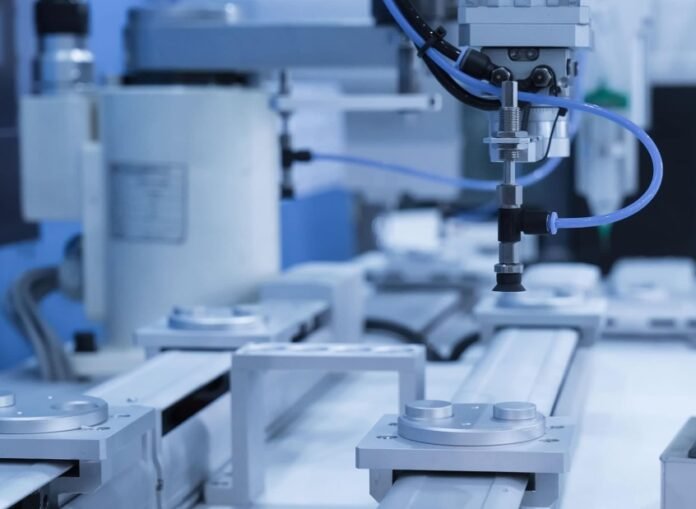
In the era of Industry 4.0, automation and data-driven processes are transforming manufacturing at an unprecedented pace. At the heart of this transformation lies capteurs industriels en plomb, which serve as the eyes and ears of automated systems. These advanced sensors are crucial for ensuring precision, efficiency, and reliability across a wide range of industrial applications. But what makes capteurs industriels en plomb so vital, and how are they shaping the future of smart factories?
Qu'est-ce que Capteurs industriels principaux?
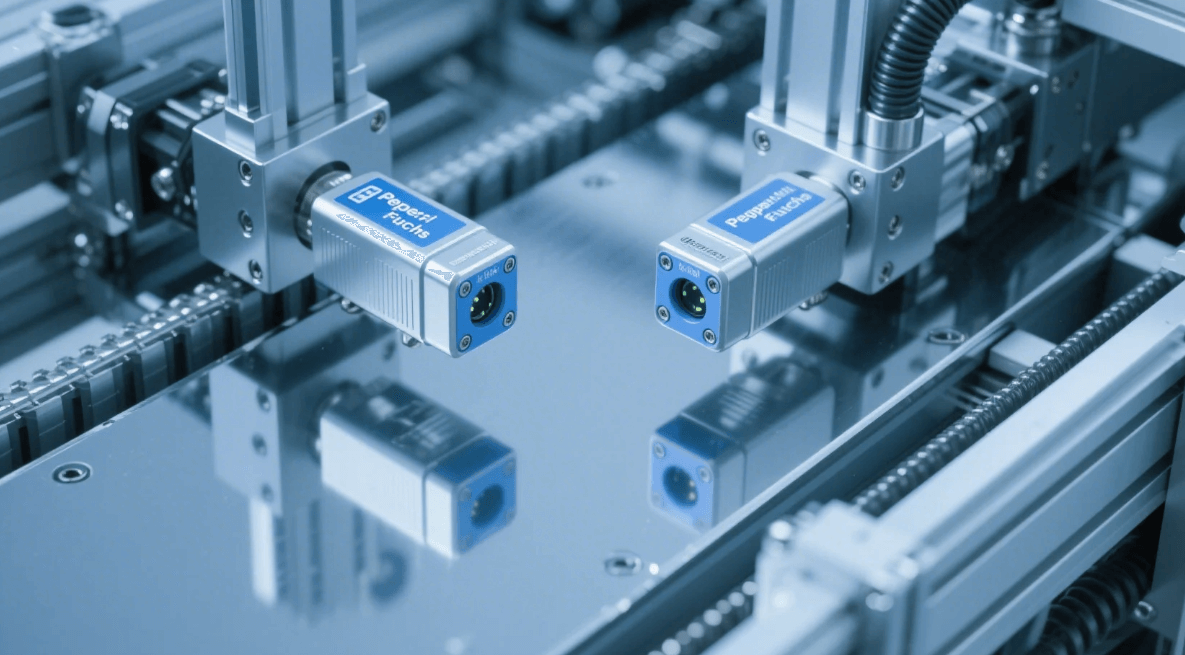
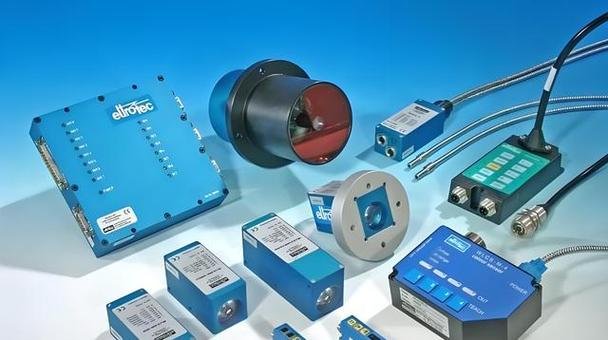
Lead industrial sensors are high-performance sensors designed to meet the rigorous demands of modern industrial environments. These sensors are essential for real-time data collection, monitoring, and process control, enabling manufacturers to enhance productivity and reduce operational costs. They are used in various applications, including robotics, quality control, automated assembly lines, and predictive maintenance.
These sensors play a key role in detecting variables such as temperature, pressure, distance, vibration, and motion. With the integration of IoT (Internet of Things) and AI, capteurs industriels en plomb are becoming smarter, enabling more accurate decision-making and automation.
Key Features of Lead Industrial Sensors
- High Precision & Reliability
- Designed for high accuracy in harsh industrial environments.
- Capable of detecting even the smallest changes in parameters like temperature, pressure, and position.
- Durability & Longevity
- Built to withstand extreme temperatures, vibrations, and corrosive conditions.
- Long operational life reduces the need for frequent replacements.
- Real-Time Data Processing
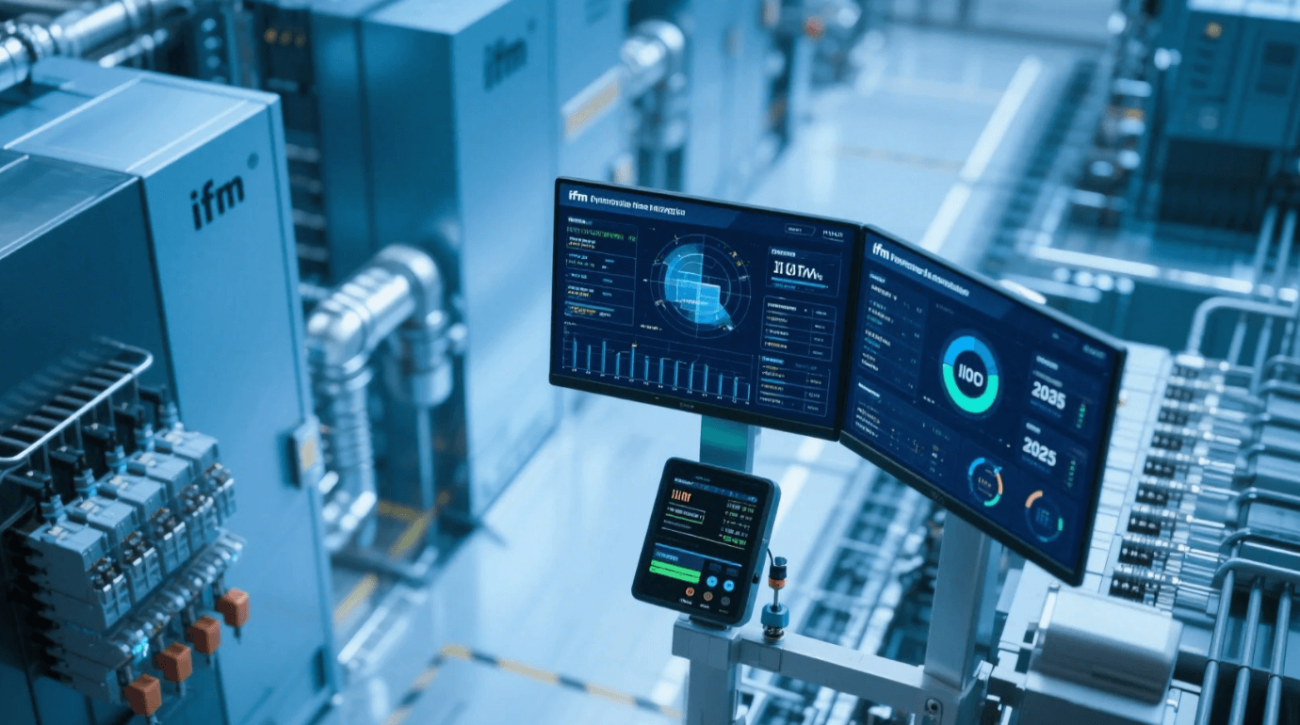
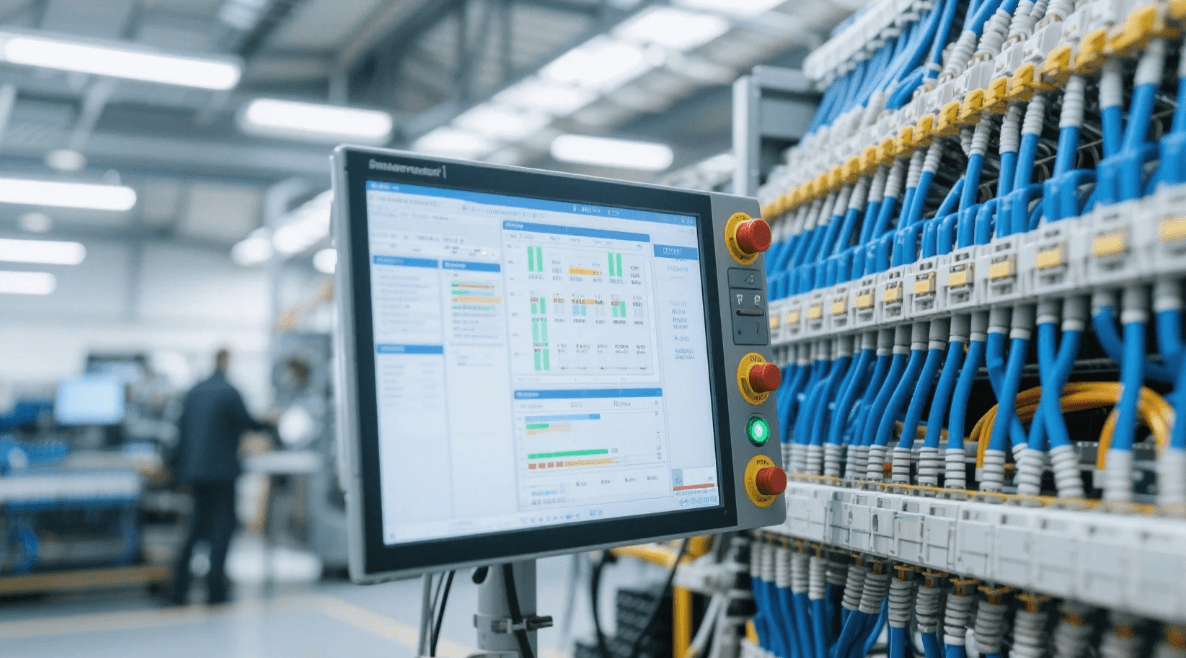
- Advanced models provide immediate feedback, allowing for real-time monitoring and control.
- Essential for industries where precision timing is critical, such as automotive and semiconductor manufacturing.
- Connectivity & Smart Integration
- Moderne capteurs industriels en plomb are designed to connect with IoT platforms, cloud computing, and AI-based systems.
- This integration allows for predictive maintenance, reducing downtime and increasing operational efficiency.
Applications of Lead Industrial Sensors
1. Predictive Maintenance in Manufacturing
Machine failures can result in costly downtimes. Lead industrial sensors detect early signs of wear and tear in machinery, allowing maintenance teams to intervene before critical failures occur.
2. Quality Control & Inspection
In industries like electronics and pharmaceuticals, precision is non-negotiable. These sensors ensure that every product meets exact specifications by detecting defects and inconsistencies in real time.
3. Smart Robotics & Automation
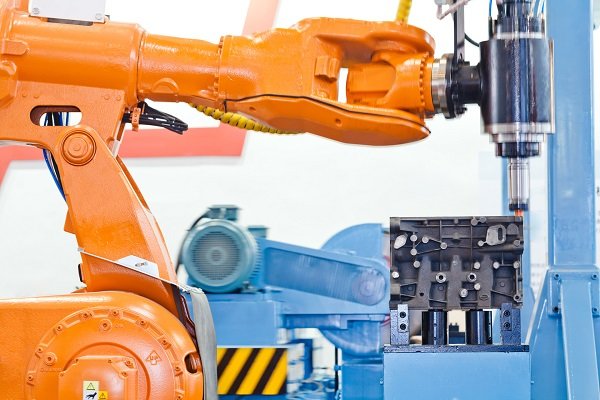
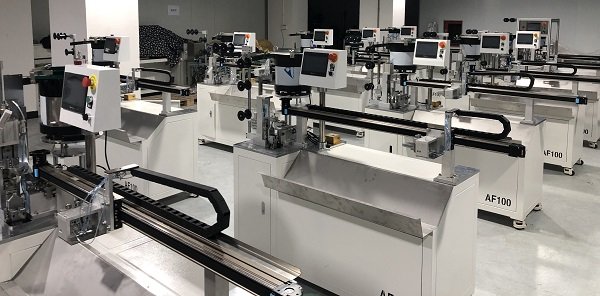
From assembly lines to autonomous robots, capteurs industriels en plomb enable precise movements, object detection, and safety compliance. They play a crucial role in collaborative robots (cobots) that work alongside human operators.
4. Energy Management & Environmental Monitoring
Industries are under increasing pressure to reduce their carbon footprint. These sensors help monitor energy consumption and environmental conditions, contributing to sustainability efforts.
The Future of Lead Industrial Sensors
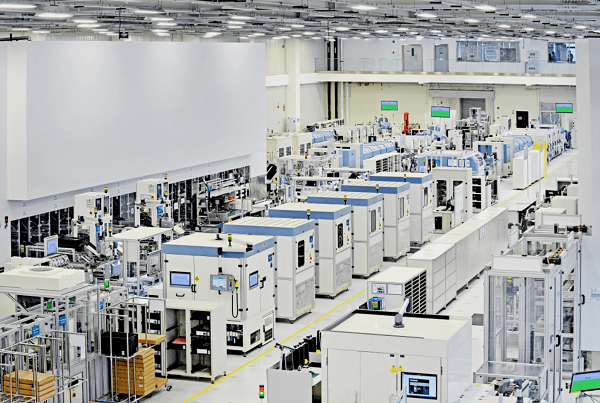
The demand for capteurs industriels en plomb will continue to grow as factories and industrial systems become more automated and interconnected. Advances in AI, 5G connectivity, and edge computing will further enhance their capabilities, enabling self-optimizing manufacturing systems that require minimal human intervention.
In conclusion, capteurs industriels en plomb are indispensable for modern industries striving for efficiency, safety, and innovation. As we move toward smarter and more autonomous manufacturing, these sensors will remain the backbone of industrial automation, paving the way for the future of intelligent production.