








MTLプロセスコントロールスマートオートメーションで電気産業に力を与える

In the rapidly evolving electrical industry, プロセス制御 has emerged as a cornerstone of innovation, enabling businesses to achieve unprecedented levels of efficiency, safety, and scalability. For brands like MTL, specializing in advanced control solutions, integrating modern プロセス制御 technologies is not just a trend but a necessity to stay competitive. This article explores the transformative role of プロセス制御 in electrical systems, emphasizing its advantages, future prospects, and real-world applications.
1. Modern Advantages of Process Control in Electrical Systems
1.1 Enhanced Automation and Operational Efficiency
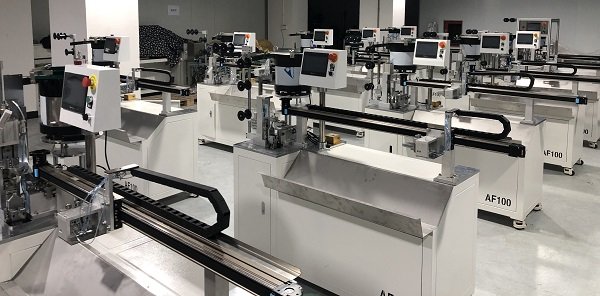
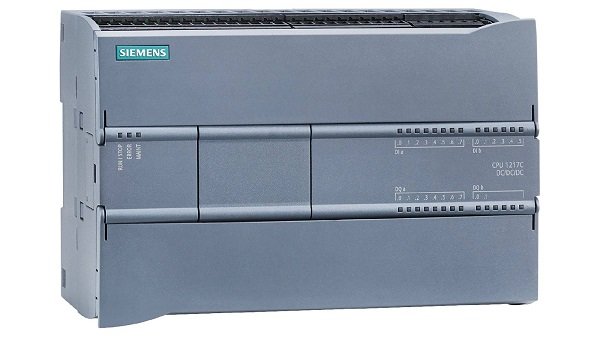
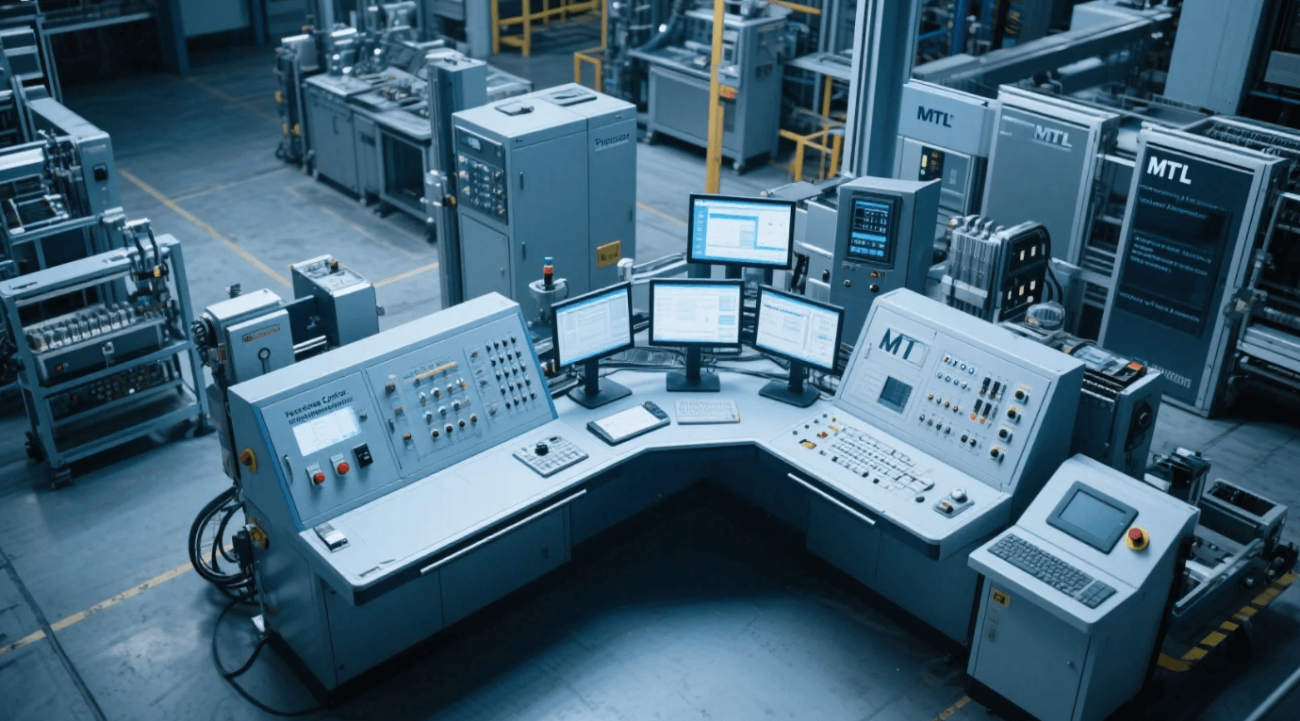
プロセス制御 systems, such as PLCs (Programmable Logic Controllers), have revolutionized automation by replacing manual operations with precise, programmable workflows. In electrical applications, PLCs execute tasks like voltage regulation, load balancing, and fault detection with minimal human intervention. For instance, smart motor systems equipped with プロセス制御 can optimize energy consumption by up to 50%, as seen in WEG’s IE6+ motors for water management.
The integration of プロセス制御 also reduces downtime through predictive maintenance. By analyzing real-time data from sensors and actuators, these systems identify potential failures before they disrupt operations.
1.2 Robust Safety and Fault Management
Electrical systems demand rigorous safety protocols, and プロセス制御 excels in this domain. Advanced PLCs monitor parameters like temperature, current, and voltage, triggering automatic shutdowns during anomalies. For example, ProLeiT’s process control solutions ensure seamless operations in high-risk environments like lithium battery production by embedding fail-safe mechanisms and encrypted data protocols.
1.3 Scalability and System Integration
モダン プロセス制御 frameworks are modular, allowing seamless integration with IoT, cloud computing, and AI-driven analytics. This flexibility is critical for industries adopting Industry 4.0 standards. Systems like Siemens’ PROFIBUS enable distributed control networks, where multiple PLCs collaborate to manage complex electrical grids.
2. Future Trends Shaping Process Control

2.1 Digital Twins and Edge Computing
The adoption of digital twin technology enables virtual replicas of physical systems, facilitating real-time simulations and optimizations. Coupled with edge computing, プロセス制御 systems can process data locally, reducing latency and enhancing decision-making in time-sensitive applications like smart grids.
2.2 AI-Driven Predictive Analytics
Artificial intelligence is transforming プロセス制御 from reactive to proactive. Machine learning algorithms analyze historical data to forecast equipment lifespan, energy demand, and maintenance needs. For example, ROHM’s SiC SBDs leverage AI to optimize power conversion in electric vehicles, achieving 50% lower energy loss.
2.3 Sustainability and Energy Efficiency
As industries prioritize ESG (Environmental, Social, Governance) goals, プロセス制御 plays a pivotal role in reducing carbon footprints. Innovations like solar-powered inverters and energy-efficient motor drives (e.g., WEG’s W80 AXgen) exemplify how プロセス制御 aligns with global sustainability initiatives.
3. MTL’s Leadership in Process Control for Electrical Applications
3.1 Tailored Solutions for Smart Manufacturing
MTL’s プロセス制御 systems are designed to address the unique challenges of the electrical sector. By combining PLCs with cloud-based monitoring tools, MTL enables centralized management of distributed energy resources (DERs), ensuring grid stability and renewable energy integration.
3.2 Case Study: Optimizing Industrial Automation
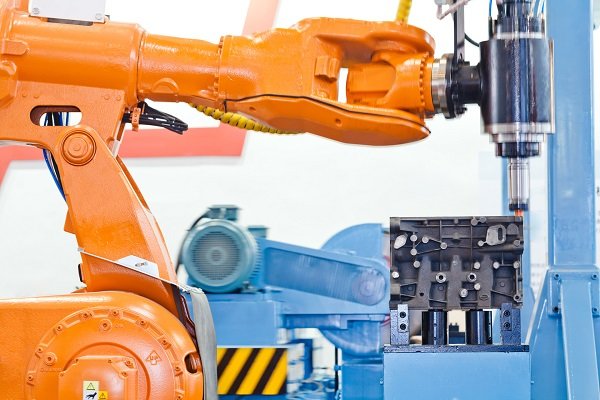
A recent collaboration with a European automotive manufacturer showcased MTL’s expertise. By deploying プロセス制御-enabled robotic arms and IoT sensors, the client reduced production errors by 30% and energy costs by 22%.
3.3 Commitment to Innovation
MTL invests in next-gen technologies like SiC-based power devices and 5G-enabled control networks. These advancements ensure compatibility with future industrial demands, such as ultra-fast data processing and hyper-connected supply chains.
Conclusion: The Path Forward with MTL Process Control
The electrical industry’s future hinges on intelligent プロセス制御 systems that balance efficiency, safety, and sustainability. MTL’s innovative solutions position it as a leader in this transformative era. By embracing trends like AI, edge computing, and digital twins, businesses can unlock new opportunities for growth and resilience.
For further insights, explore our detailed guides on integrating プロセス制御 into your operations or contact MTL’s expert team for a customized consultation.
Model : MC3140-275-1+1